 |
|
||||

 |
 |
 |
 |
 |
|||||
 |
 |
 |
 |
 |
 |
 |
||
 |
 |
 |
 |
 |
 |
 |
 |
 |
 |
|
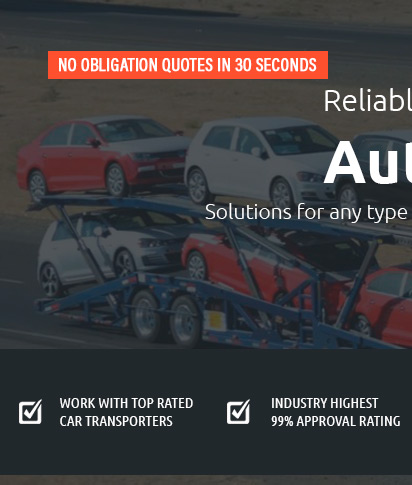
The Best Way to Ship a Vehicle: A Comprehensive Guide for BeginnersTransporting a vehicle across distances can seem like a daunting task, especially for those who have never embarked on this journey before. The process involves more than just choosing a carrier; it requires an understanding of various shipping methods, cost factors, and preparation techniques to ensure a smooth and hassle-free experience. In this guide, we will explore the best practices for shipping a vehicle, offering insights and subtle opinions to help make your decision-making process easier and more informed. Firstly, it's crucial to understand the different methods available for vehicle shipping. The two primary options are open transport and enclosed transport. Open transport is the most common and cost-effective method, where vehicles are loaded onto an open-air trailer. This option is generally safe and widely used, although it exposes your vehicle to weather elements and road debris. In contrast, enclosed transport offers a higher level of protection by placing your vehicle in a covered truck, shielding it from external factors. This method is ideal for luxury, vintage, or high-value cars, though it comes at a premium cost. Once you've chosen a shipping method, selecting a reliable carrier is the next vital step. Conduct thorough research by reading reviews, checking credentials, and comparing quotes from various companies. A reputable carrier will have positive feedback, valid licenses, and insurance coverage to protect your vehicle during transit. Be wary of deals that seem too good to be true, as they may indicate hidden costs or subpar service. Furthermore, it's advisable to book your shipment well in advance, especially during peak seasons, to secure the best rates and availability. Cost is undoubtedly a significant factor in your decision-making process. Several elements influence the cost of shipping a vehicle, including distance, vehicle size, and the chosen transport method.
Before your vehicle is shipped, proper preparation is essential to ensure it arrives safely at its destination. Start by thoroughly cleaning your vehicle, both inside and out, to make any pre-existing damage more visible. Document this by taking detailed photographs from various angles, which can serve as evidence should any disputes arise. Additionally, remove all personal belongings from the vehicle, as carriers typically do not insure these items. Ensure that your vehicle is in good working order by checking fluid levels, battery charge, and tire pressure. If the vehicle is not operational, inform the carrier in advance, as this may require special equipment and additional charges. Finally, it’s important to understand what to expect upon delivery. When your vehicle arrives, conduct a comprehensive inspection in the presence of the driver. Compare the vehicle's condition to the photographs you took before shipping. If you notice any new damage, note it on the delivery report and discuss it with the carrier immediately. Prompt communication is key to resolving any issues swiftly. In conclusion, shipping a vehicle can be a seamless process when approached with the right knowledge and preparation. By choosing the appropriate shipping method, selecting a reputable carrier, understanding cost factors, and preparing your vehicle correctly, you can ensure a successful transport experience. Whether you're relocating, purchasing a car from afar, or attending an auto show, these guidelines will help you navigate the complexities of vehicle shipping with confidence.
https://www.goarmstrong.com/resources/shipping-car-cross-country/
Air shipping is the fastest but most expensive shipping method. - Air shipping is best suited for urgent situations or high-value vehicles ... https://www.forbes.com/home-improvement/moving-services/how-to-ship-a-car/
The two most common transport methods are open and enclosed shipping. Open shipping is the most standard option and is best for everyday run-of- ... https://www.pods.com/blog/shipping-a-car
Usually, the cheapest way to ship your car is to book directly with a local or regional company. Going with an independent car shipping company ...
|
